M. M. DONALDSON
mmorrisdonaldson@wccnet.edu
Food manufacturers know leaving certain details in fine print keeps us in the sweet spot of ignorance for maximum bliss. Taking the time to understand the ingredients on the Nutritional Facts label can be frustrating, but it’s important to know what we are eating in this world of food allergies and ingredient intolerances. If their sweet talk on the back of the package was easily translated, we might think twice about tossing the wrapper and indulging our taste buds.
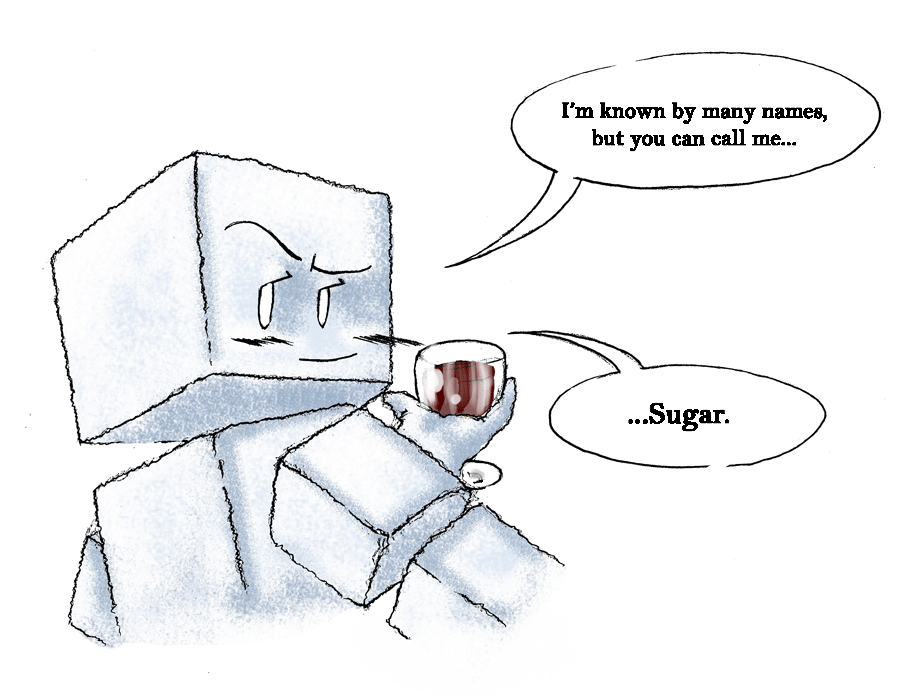
Despite the jumble of ingredients crammed into that tight space, we can become familiar with a few key names and realize there are multiple names for sugar.
TV hosts and chiropractors posing as nutritionists (I have nothing against chiropractors, but I’m sure you wouldn’t want me to adjust your back) have allowed misinformation, such as “fruit is high in sugar,” to saturate the TV, Internet and grocery store checkout lane magazines.
Where the sugar in fruit is considered naturally occurring, sweet confections such as cookies, cupcakes and candy bars contain mainly added sugars.
A quick comparison using the Food-A-Pedia database for the Super Tracker app to log food and exercise, lists a medium apple having 14 grams of naturally occurring sugar, but also included in the package is vitamins, minerals and fiber.
A 1.6 oz plain milk chocolate bar contains 23 grams of sugar, with 18 grams as added sugar. Milk has naturally occurring sugar, contributing 5 grams to the total amount.
Sweets are known to contain high sugar content, but less known offenders are commercial salad dressings, canned spaghetti sauces, yogurt and bread. That’s where knowing the various names of sugar comes in handy.
When consumers educated themselves on added sugars decades ago, high fructose corn syrup became infamous. But consumers are still craving sweet, so the industry has found other sources to sweeten it up.
While the Food and Drug Administration only recognizes certain names as a sugar substance, this does not prohibit food manufacturers from listing a sweetener by a different name. There are several sites that list a multitude of names for sugar and sweeteners with some having lists that exceed more than 300 different monikers.
Become familiar with the other names for sugar as food manufacturers are able to list the total amount of sugar with different names. Using names that we may be unfamiliar with may allow the total amount of sugar slip through the radar but show up well enough on our hips and bathroom scale.
Sugar itself isn’t bad, but it’s the amount that we consume.
M. M. Donaldson is a staff writer with The Voice and a journalism student at WCC. She has a bachelor of science in family and community services from Michigan State University and has several years’ experience with nutrition issues affecting infants through older adult.
comments
Sofia Oganezova Staff Writer WCC is moving forward with plans to update its website as…
Sofia Oganezova Staff Writer As Ann Arbor heads into the upcoming mayoral election, housing affordability…
Sofia Oganezova Staff Writer The Muslim Student Association at WCC is working to build community…
Sofia Oganezova Staff Writer The effects of the ongoing war are being felt far beyond…
Yana McGuire Deputy Editor During the first week of May, WCC will join millions around…
Sofia Oganezova Staff Writer Before becoming an astronaut, Aisha Bowe was told by a high…